From Case Narratives to Causal Inference: A Paradigm Shift in Sustainable Tourism Research
Keywords:
Sustainable Tourism,Research Paradigm, Causal Inference, Case Study,MethodologyAbstract
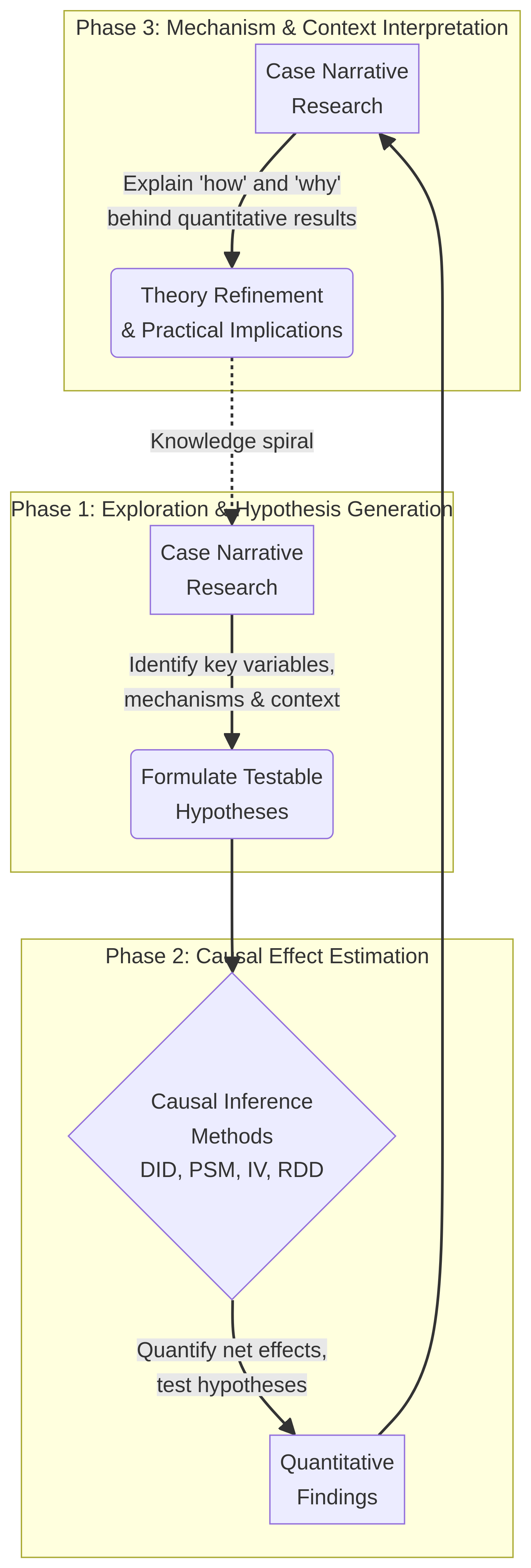
Sustainable tourism research is crucial for guiding industry practices and policymaking. However, current research exhibits an over-reliance on case narratives and descriptive methods. While this approach provides rich contextual descriptions for understanding complex tourism phenomena, it has significant limitations in establishing causal relationships, developing generalizable theories, and offering precise policy guidance. Through a systematic review and critical reflection on the existing literature, this paper argues for the necessity and urgency of a paradigm shift from traditional case-narrative research to modern causal inference methods. The paper first analyzes the contributions and inherent weaknesses of the case-narrative paradigm. It then systematically introduces the application potential of causal inference methods such as Difference-in-Differences (DID), Instrumental Variables (IV), and Propensity Score Matching (PSM) in tourism research. This paper constructs an integrated analytical framework that combines case studies with causal inference, aiming to bridge the gap between qualitative description and quantitative attribution. The study finds that this paradigm shift can not only enhance the scientific rigor and theoretical contribution of sustainable tourism research but also provide reliable empirical evidence for policy evaluation and practical interventions. Finally, the paper offers specific recommendations for researchers and journal reviewers to jointly promote sustainable tourism research towards a new stage of greater explanatory power and practical value.