Inclusive Design of Diversified Healthy Foods: A Study on Equity and Cultural Appropriateness for Sustainable Food Systems
Keywords:
Inclusive Design; Healthy Food; Sustainable Food System; Food Equity; Cultural Appropriateness; Food JusticeAbstract
In the global transition toward sustainable food systems, the diverse dietary needs of various socio-cultural groups are often overlooked, resulting in significant inequities in access to healthy foods across economic, geographical, and cultural dimensions. Existing research predominantly focuses on macro-level policies or singular technological innovations, and generally lacks a systematic design framework that effectively integrates equity and cultural appropriateness. To address this gap, this study constructs an Inclusive Food Design Framework (IFDF) and validates it through a mixed-methods approach.
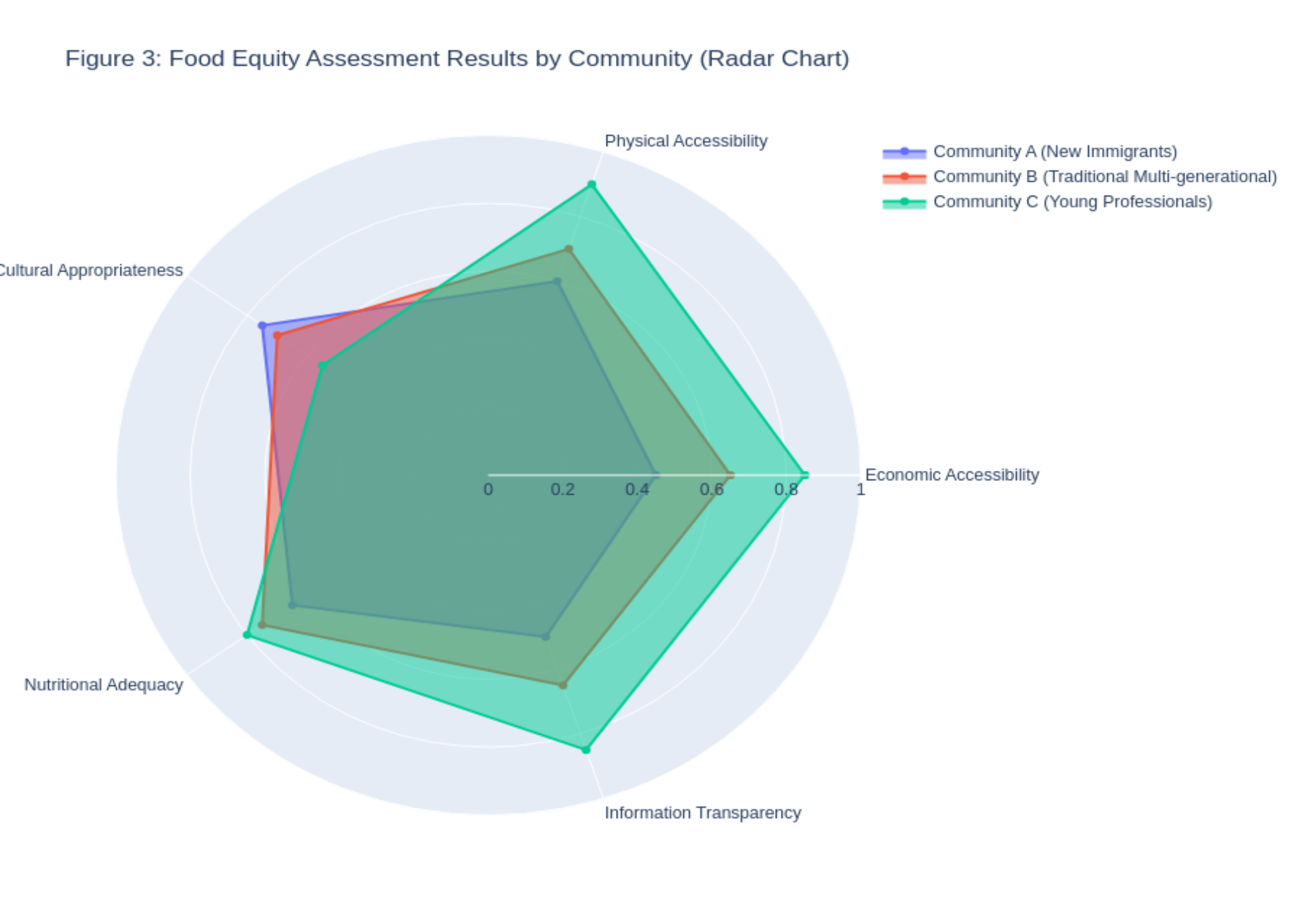
First, a theoretical foundation is established through bibliometric analysis. Second, a multi-criteria "Food Equity Assessment Model" (FEAM) is developed, encompassing economic, physical, cultural, and nutritional dimensions. Finally, the framework is validated through multi-case qualitative research on diverse cultural communities (e.g., immigrants, ethnic minorities, specific religious groups), with a deep analysis of their food consumption behaviors and preferences. The FEAM model is further validated using public datasets from the World Bank and the Food and Agriculture Organization (FAO), complemented by community-level indicators compiled from open data sources. Illustrative case analyses of three representative communities (A–C) demonstrate the framework’s applicability across various cultural contexts.
The study successfully constructs and validates the IFDF, demonstrating its efficacy in guiding the development of inclusive, healthy food systems. The application of the FEAM model uncovers hidden inequities in the current food system, particularly regarding the accessibility of culturally appropriate foods. Notably, the research finds that cultural appropriateness is a key driver in enhancing the acceptance and consumption of healthy foods, with its influence outweighing price factors for specific groups.
This research presents the first systematic inclusive design theoretical framework and assessment tool for food science, public health, and sustainable development. It offers valuable guidance for policymakers, highlighting the importance of culturally appropriate food systems in ensuring equitable access to healthy diets for all communities.