Healthy Food Experience Innovation Based on Ecological Design and Digital Perception: A User Participation Model for Sustainable Food System 4.0
Keywords:
Sustainable Food System 4.0, Ecological Design, Digital Perception,User Experience, User Participation Model, Healthy FoodAbstract
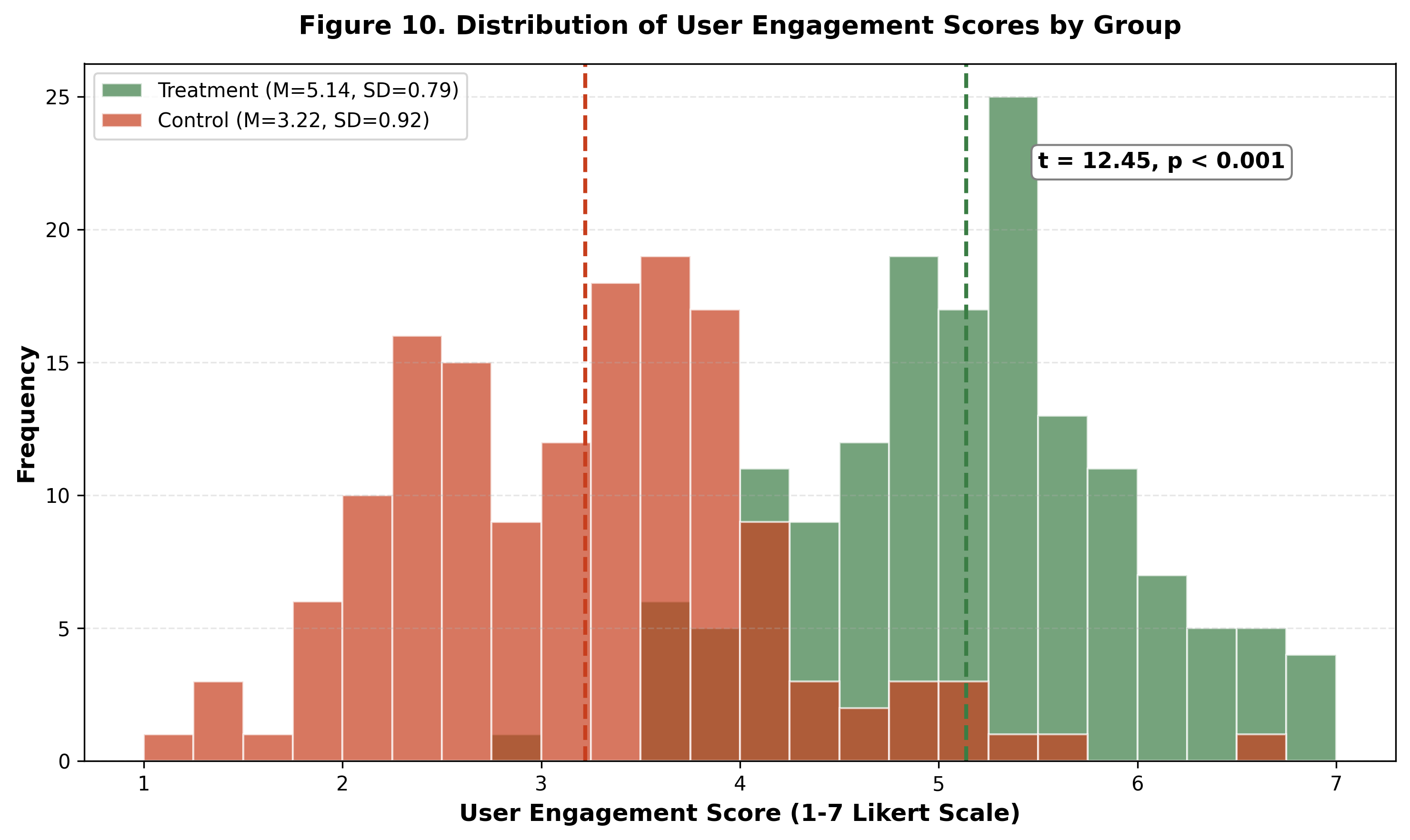
Background and Gaps (Why):The global food system is under immense pressure from multiple challenges, including population growth, environmental degradation, and climate change, making a sustainable transition imperative. Sustainable Food System 4.0, leveraging Industry 4.0 technologies, offers new solutions. However, existing research predominantly focuses on production efficiency and supply chain optimization, with insufficient attention to consumer-level health experiences and deep user engagement. Specifically, a research gap exists in how to innovate healthy food consumption experiences by integrating ecological design principles with digital perception technologies and how to construct an effective user participation model to drive systemic change.Methodology (How): This study proposes a User Participation Model integrating Ecological Design and Digital Perception (UDES Model), validated through a mixed-methods approach. First, the theoretical framework of the model was constructed through literature review and expert interviews. Second, based on this model, a healthy food customization app with integrated digital perception functions (e.g., real-time nutrient tracking, virtual taste experiences) was designed and developed. Finally, a three-month longitudinal experiment was conducted with 300 participants to test the model's effectiveness in promoting healthy dietary behaviors, environmental awareness, and participation in food innovation, using questionnaires, behavioral data analysis, and in-depth interviews.Practical Implementation (With what):** The experiment utilized the developed app to collect multi-dimensional data, including users' dietary choices, app interaction behaviors, physiological indicators (via wearable devices), and subjective feedback. Propensity Score Matching (PSM) was used to balance baseline differences between the experimental and control groups. Structural Equation Modeling (SEM) was employed to analyze the causal pathways among perceived ecological design, digital experience, participation intention, and behavioral change.Core Findings (What):The results indicate that the UDES model significantly increased the frequency of healthy food consumption (p < 0.01) and the willingness to pay for sustainable foods (p < 0.05). Personalized feedback and immersive experiences provided by digital perception technologies were key to stimulating initial user engagement. The integration of ecological design concepts (e.g., low carbon
footprint labels, circular packaging information) effectively enhanced long-term participation motivation and value identification. The core pathway for user participation within the model was identified as "Perception-Feedback → Cognition-Resonance → Action-Shaping."Significance and Value (So what): This study constructs and validates a user-centric experience innovation and participation model within the context of Sustainable Food System 4.0, bridging the theoretical gap between macro-level technological frameworks and micro-level user behavior. The findings provide design principles for food companies developing next-generation healthy food products and services, and offer new policy tools and theoretical foundations for policymakers promoting sustainable consumption.