Multimodal Enhancement Strategies in Environmental Information Design: Behavioral Optimization Pathways to Enhance User Perception and Decision-Making Efficiency
关键词:
Environmental Information Design, Multimodality, Behavioral Optimization, Decision-Making Efficiency, Green Consumption, Theory of Planned Behavior (TPB)摘要
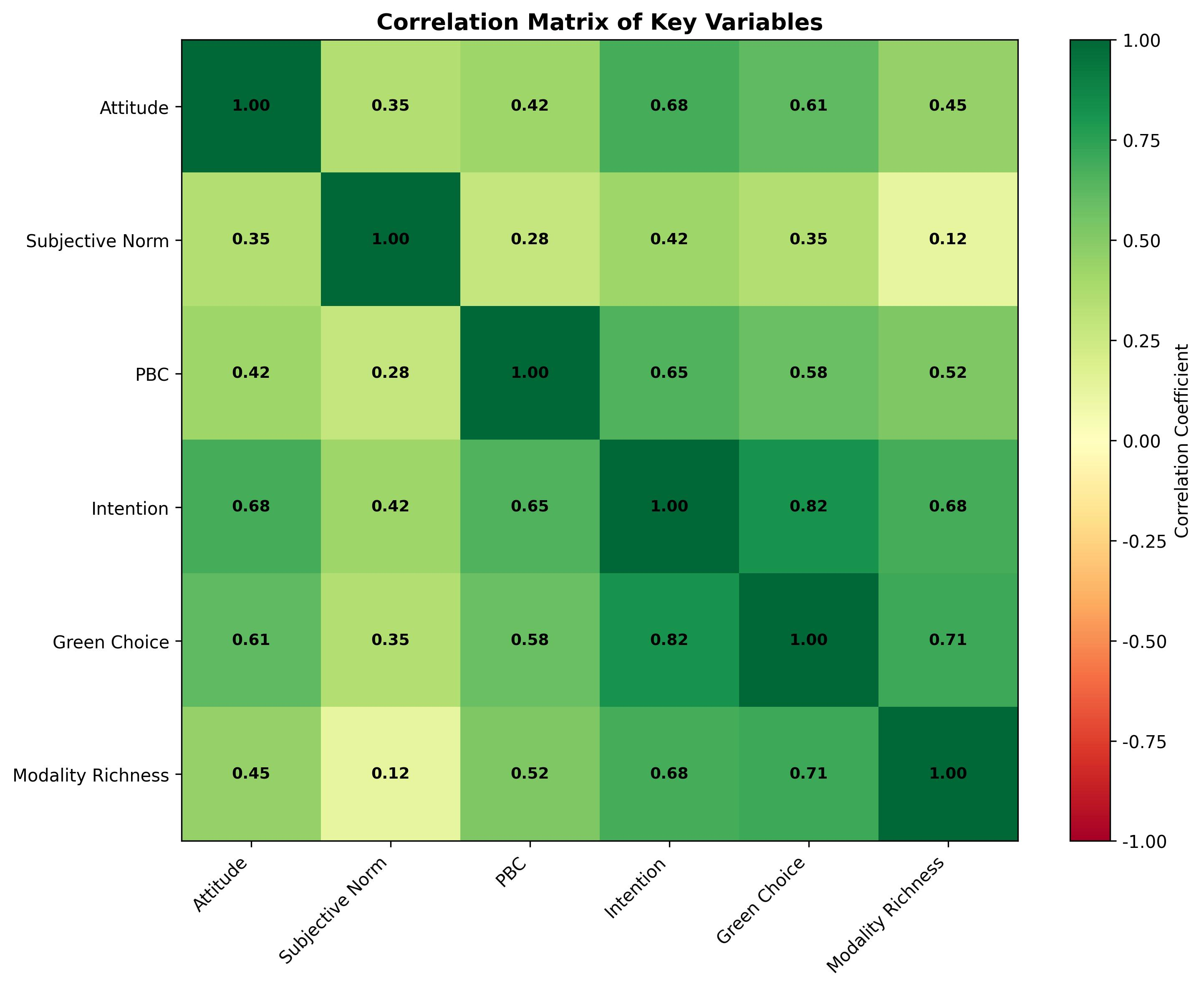
In today’s digital landscape, environmental information often struggles to guide green purchasing because of overload and uniform presentation. Most prior work has tested single-channel delivery, leaving the potential synergy of multimodal designs—combining text, visuals, and interactivity—for user perception and decision efficiency largely underexplored. This gap is acute in complex consumption contexts, prompting the question: how can information design be optimized to improve both decision quality and speed?Methods: Anchored in the Theory of Planned Behavior (TPB) and extended by the Cognitive Theory of Multimedia Learning (CTML), this study builds an integrated model to assess how different information design strategies influence green consumption. We created a browser-based simulated shopping task and ran a seven-day short-term longitudinal study with 420 participants. Four formats were compared: 1) text only; 2) text + static images; 3) text + dynamic graphics/video; and 4) text + interactive feedback.Implementation and Data Collection: We drew data from multiple sources: platform behavior logs (e.g., dwell time and decision latency), pre- and post-test surveys (attitude, subjective norm, perceived behavioral control), and simulated purchase records. Analyses used repeated-measures ANOVA and structural equation modeling (SEM). We also administered self-report scales of perceived cognitive load and clarity to assess processing depth across modalities.Key Findings: Multimodal designs outperformed unimodal text. The “text + interactive feedback” condition was most effective, strengthening positive attitudes (β = 0.42, p < 0.001) and perceived behavioral control (β = 0.38, p < 0.001), and yielding a 28.5% higher green-product selection rate versus text only. Behavioral logs showed that interactivity lengthened processing time and promoted deeper cognitive engagement.Implications and Value: The study confirms the value of multimodal enhancement in environmental information design and introduces a behaviorally informed pathway for digital media to strengthen environmental communication and interventions. The results offer theoretical contributions and practical guidance for governments, firms, and environmental organizations seeking more persuasive information products and faster uptake of sustainable consumption.