Sustainable Health Engineering for the Future: A Study on the Theory and Methodology of Eco-Co-Design
关键词:
Sustainable Health Engineering; Eco-Co-Design; Affordance; Aging Community; Health Behavior摘要
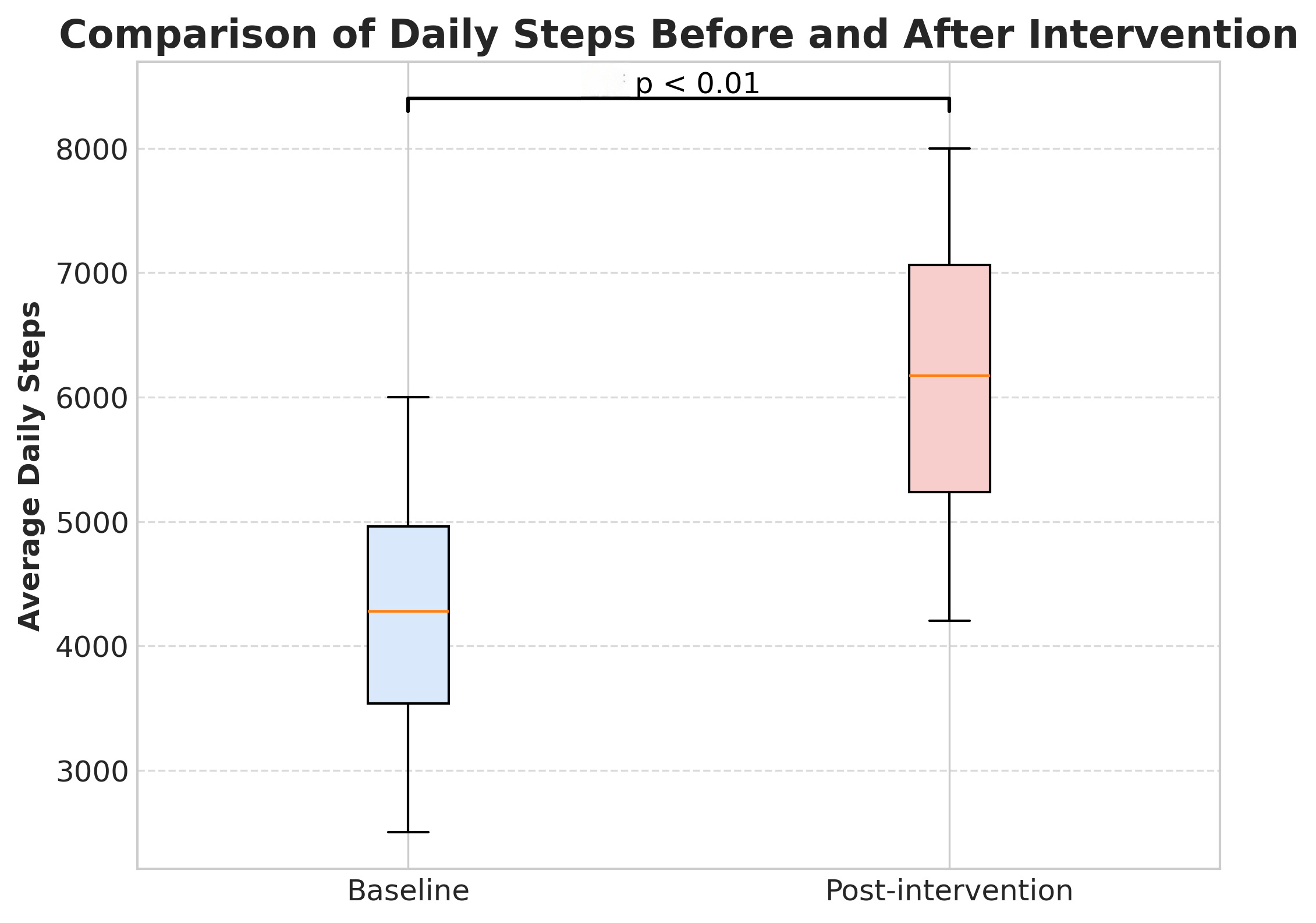
As global population aging accelerates, the creation of sustainable community health environments has become an urgent societal challenge. Many existing health interventions rely on isolated technological solutions or service-based inputs, often overlooking the dynamic interactions between people and their environments as well as the synergistic value of multi-stakeholder collaboration. As a result, intervention effects are frequently difficult to sustain. In particular, at the level of environmental design, there remains a lack of systematic theory and methodology that meaningfully integrates ecological wisdom with community participation, especially in resource-constrained settings.Grounded in Affordance Theory from ecological dynamics, this study integrates affordance thinking with participatory Co-Design methods to propose a novel theoretical framework termed “Eco-Co-Design.” This framework conceptualizes community environments as a “landscape of affordances” and emphasizes collaborative processes in which multiple stakeholders jointly perceive, design, test, and iteratively refine environmental features that naturally encourage health-promoting behaviors.To examine the feasibility of this framework under realistic constraints, a low-cost, replicable 12-week pilot pretest–posttest study was conducted in the Vibrant Senior Living Community. Eighty older adult residents were recruited. The intervention combined eco-co-design workshops, environmental scanning, and structured behavioral observation. Multi-dimensional data were collected using accessible tools, including behavioral indicators (e.g., daily step counts from smartphones or low-cost pedometers), basic physiological and health measures suitable for community settings (e.g., resting heart rate and self-rated health), and psychological questionnaires (e.g., life satisfaction and loneliness scales). Pre- and post-intervention outcomes were comparatively analyzed.The pilot results indicate that community environments redesigned through the eco-co-design approach were associated with increased daily physical activity among older residents and improved self-reported well-being. The findings further suggest that micro-affordances co-created through the design process—such as playful handrails, socially oriented seating, and small gardening corners—may enhance residents’ motivation to engage in outdoor activities and social interaction. These results provide practical, low-cost evidence supporting the feasibility and effectiveness of the proposed framework.The Eco-Co-Design theory and methodology developed in this study offer an innovative interdisciplinary paradigm for sustainable health engineering. By moving beyond traditional function-driven design toward a behavior-guiding, ecology-informed approach, the framework demonstrates that transforming residents from passive “users” into active co-creators is a critical pathway to achieving sustainable community health. The findings provide both a theoretical foundation and practical guidance for age-friendly urban design, community-level health interventions, and public health policy-making in aging societies.