Integrating Design Thinking with Systemic Change: An Experimental Study on Innovating Sustainable Workshop Methodologies
Keywords:
Design Thinking; Systemic Change; Sustainable Community; Participatory Methods; Methodology InnovationAbstract
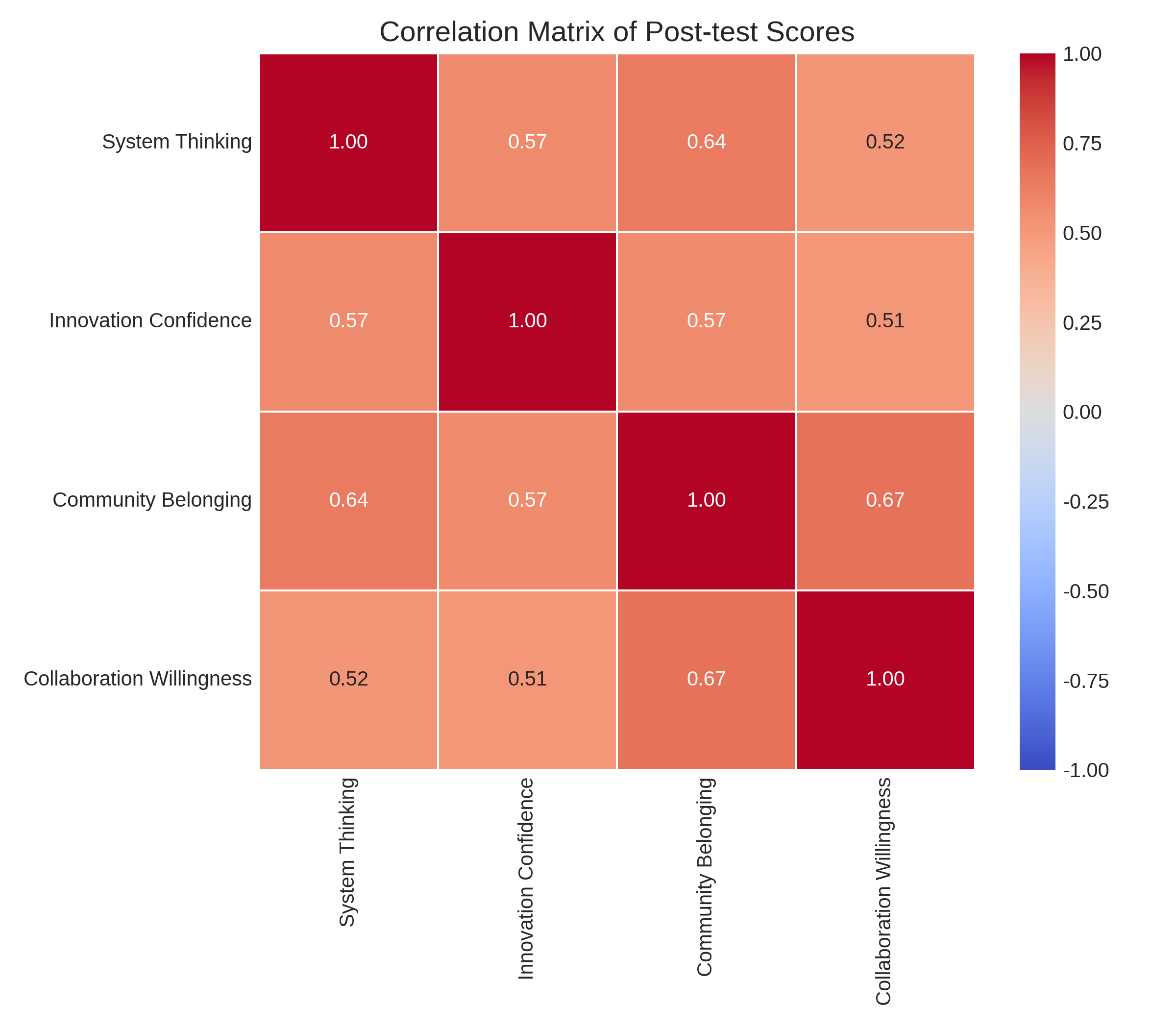
Urban communities play a pivotal role in the global sustainability transition, yet their complex stakeholder networks and entrenched behavioral patterns often impede effective change. Existing community engagement methods tend to focus on solving isolated problems, lacking a holistic framework to guide systemic innovation. This study addresses this challenge through an experimental investigation of a novel workshop methodology that integrates Design Thinking with Systemic Change theory. Employing a Participatory Action Research (PAR) approach, the methodology was designed and implemented within a low-carbon transition project in an urban community. A mixed-methods approach was used for data collection and analysis, including pre- and post-workshop surveys with 24 participants, process observation, and in-depth interviews. The results demonstrate significant improvements in participants' systemic thinking capabilities (pre-test M=2.75, post-test M=4.12, p<0.001), innovation confidence (pre-test M=3.08, post-test M=4.33, p<0.001), sense of community belonging, and willingness to collaborate across sectors. The workshop generated 78 innovative ideas and four highly feasible community action plans. The core theoretical contribution of this research lies in revealing the synergistic mechanism between the creative process of Design Thinking and the analytical framework of Systemic Change. On a practical level, this study provides community managers, urban planners, and sustainability practitioners with a clearly structured and highly operational methodological toolkit, demonstrating how a well-designed participatory process can channel a community's diverse energies into a constructive force for systemic change.